Human Papillomavirus (HPV) remains one of the most prevalent sexually transmitted infections globally, with over 200 identified types. Among these, high-risk HPV types—particularly HPV 16 and 18—are responsible for approximately 70% of cervical cancer cases worldwide. Early detection is crucial for effective intervention, and the HPV Antigen Rapid Test Kit has emerged as a transformative tool in the fight against HPV-related diseases. This article explores the technology, applications, advantages, and limitations of HPV antigen rapid test kits, providing healthcare professionals and stakeholders with a comprehensive understanding of this diagnostic innovation.
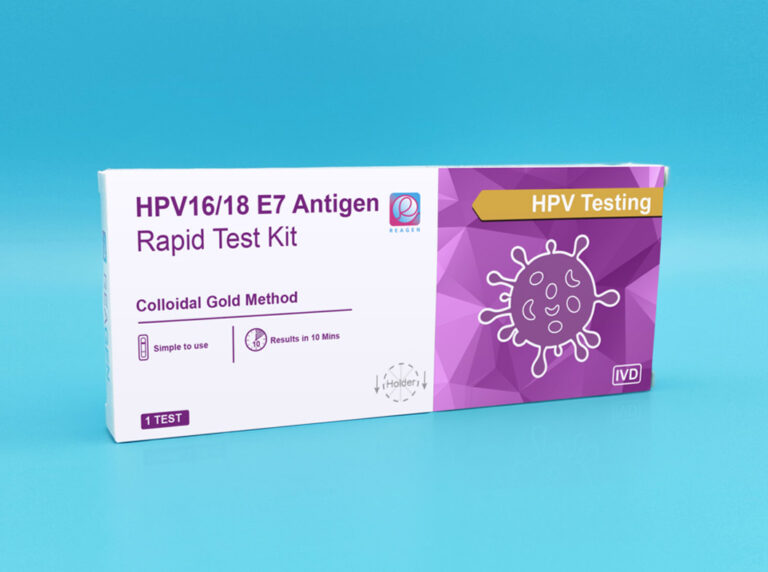
What is an HPV Antigen Rapid Test Kit? An HPV Antigen Rapid Test Kit is a point-of-care diagnostic device designed to detect HPV viral antigens—specifically the L1 capsid protein—in clinical samples. Unlike nucleic acid-based tests (such as PCR), antigen tests identify protein markers from the virus itself, offering results within minutes rather than hours or days.
Key Components -Test cassette or strip containing monoclonal antibodies specific to HPV antigens -Sample collection device (typically a cervical swab or vaginal brush) -Extraction buffer to release viral antigens from collected samples -Dropper or pipette for sample application -Instruction manual with visual interpretation guide How Does It Work? The technology behind HPV antigen rapid tests is based on immunochromatography, specifically the lateral flow assay principle: 1.Sample Collection: A healthcare provider collects cervical or vaginal cells using a swab. 2.Antigen Extraction: The sample is mixed with an extraction buffer to release viral antigens. 3.Application: Several drops of the extracted sample are applied to the test cassette. 4.Capillary Migration: The sample migrates along the nitrocellulose membrane via capillary action. 5.Antibody Binding: HPV antigens bind to colloidal gold-labeled anti-HPV antibodies in the conjugate pad. 6.Test Line Formation: The antigen-antibody complex is captured by immobilized antibodies at the test line (T), producing a visible colored band. 7.Control Line Validation: The control line (C) must always appear to confirm the test is functioning correctly